Vaccine
Chikungunya Vaccine in Bristol
Planning travel to an outbreak area? Get chikungunya vaccine advice in Bristol, including suitability, timing, bite prevention and local booking.
4.9 Stars On Google
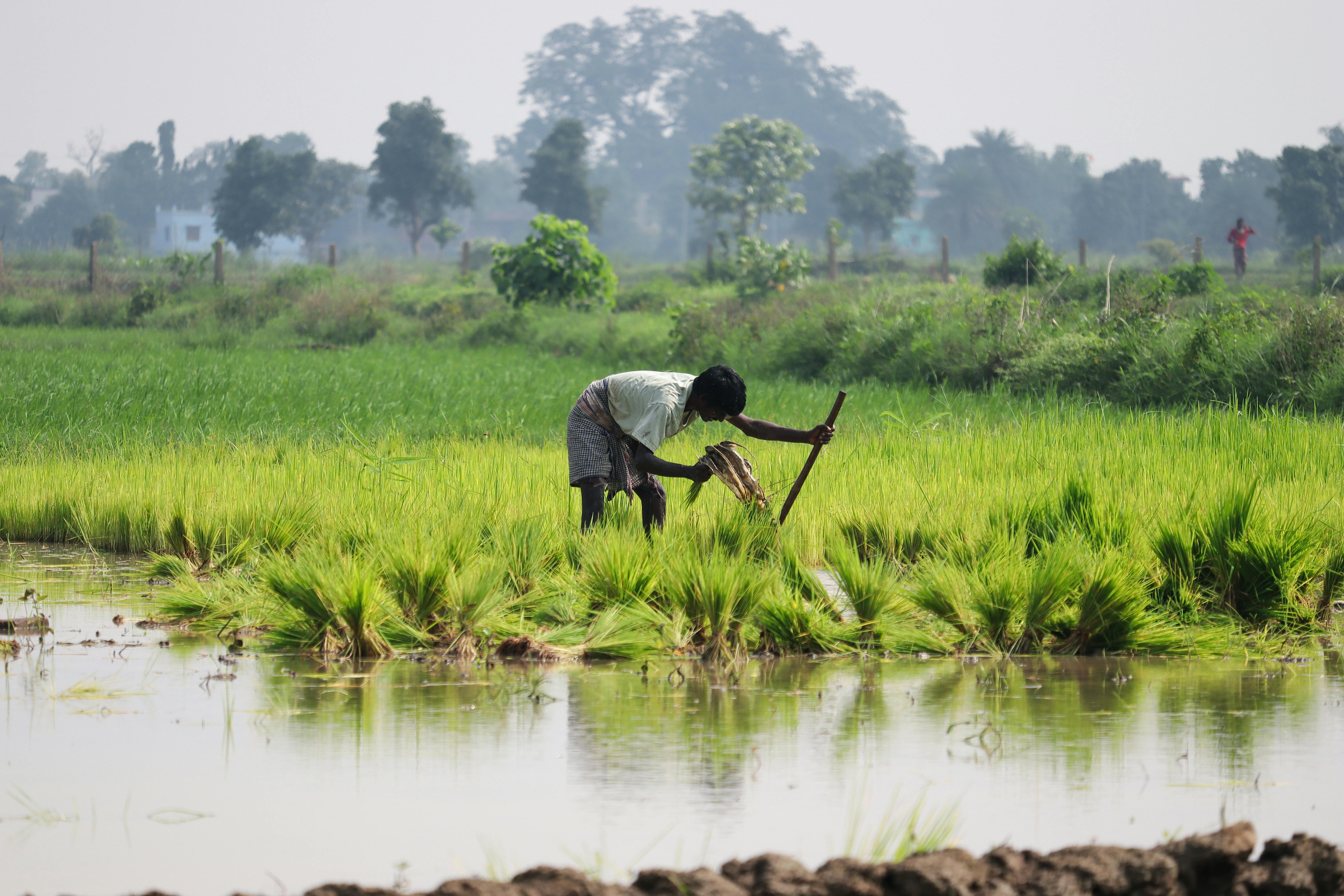
Chikungunya vaccination before travel
Chikungunya has moved from being a niche travel-health topic to something UK travellers now ask about, especially before trips to India, parts of South America, the Caribbean and islands in the Indian Ocean. At Bristol Independent Clinic in Bristol, we can talk through your itinerary, trip length and medical background, then advise whether vaccination makes sense alongside serious mosquito-bite prevention. It is not needed for every holiday. For some routes, though, it deserves a proper look.
A mosquito-borne virus with a habit of causing painful joints
Chikungunya is a viral infection spread mainly by Aedes mosquitoes. These mosquitoes bite during the day, often around mid-morning and later afternoon, which makes them harder to avoid than the classic “mosquitoes only come out at night” idea. They breed close to people, including in small containers of standing water near homes, hotels and building sites. Illness usually starts a few days after a bite. Fever can come on suddenly, often with headache, rash, muscle pain and marked joint pain. Ankles, wrists and hands are commonly involved. Most people recover within a week or two, but joint pain can drag on for months, and in a small proportion it lasts much longer. Severe complications and deaths are uncommon, but risk is higher in very young babies, older adults and people with underlying health problems. For travellers, the awkward part is recognising risk while you still have time to act. Chikungunya outbreaks can flare in places where dengue and Zika are also present, and the same daytime mosquito can be involved.
What the vaccine involves
Chikungunya vaccines aim to reduce the risk of illness from chikungunya virus. They do not replace bite precautions, and they do not cover dengue, Zika, malaria or other infections carried by mosquitoes. In the UK, approved chikungunya vaccine options include a live vaccine for adults in a specified age range and a non-replicating virus-particle vaccine approved from age 12. The right product, if any, depends on age, pregnancy, immune status, medical history, medicines and destination risk. Children and older travellers need individual assessment rather than a blanket answer. The schedule is currently a single injection into the upper arm. The need for repeat vaccination has not been established, so if you have had a chikungunya vaccine before, bring the record to your appointment rather than assuming a booster is due. Book as early as you reasonably can, particularly if you are also due hepatitis A, typhoid, rabies, yellow fever or malaria advice. Side effects are usually in the same territory as many travel vaccines, such as a sore arm, headache, tiredness or feeling feverish. We will also check for reasons to avoid a live vaccine, including significant immune suppression.
Trips where chikungunya risk is more than background noise
Vaccination may be considered for travellers going to areas with an active chikungunya outbreak, and for people who travel often or stay for longer periods in places where transmission has occurred recently. Recent and past outbreaks have affected parts of India, Pakistan, Brazil, the Caribbean, Central and South America, Pacific islands and Indian Ocean islands. Chikungunya also occurs across tropical and subtropical areas of Africa and Asia. Risk often rises in the rainy season, but seasons do not run neatly from one country to the next. A two-week hotel stay in a large city is not the same as three months visiting family, working outdoors or travelling through several districts during an outbreak. That is why country name alone is a poor shortcut.
Bring your route, dates and any vaccine records
A chikungunya vaccine appointment is most useful once your dates and route are reasonably firm. Bring any vaccine history you have, even a photo of an old record. Bristol Independent Clinic runs travel-health appointments at Whiteladies Pharmacy on Whatley Road, with patients coming from nearby Clifton and Redland as well as the wider city. If your trip includes a current or recent outbreak area, book early enough to discuss vaccination and bite precautions properly.
Frequently asked
How soon before travel should I book a chikungunya vaccine appointment?
Book several weeks before you leave if you can, especially if you need other travel vaccines at the same visit. Chikungunya vaccination is a single injection, but your overall travel-health plan may take longer if rabies, hepatitis vaccines, malaria tablets or yellow fever paperwork are also involved.
Do I need the chikungunya vaccine for India?
Not automatically. India has reported chikungunya in UK travellers, but the advice depends on where you are going, the season, trip length, accommodation, outbreak reports and your medical background. A short city trip may be handled differently from a long family visit or rural travel during an outbreak.
Can children have the chikungunya vaccine?
One UK-approved chikungunya vaccine option is approved from age 12, but children should still be assessed individually. Age is only one part of the decision; itinerary, medical history and the current risk at the destination matter too.
Is chikungunya vaccination safe if I am pregnant or immunosuppressed?
You should have individual clinical advice before vaccination. Live vaccines are often unsuitable for people with significant immune suppression and may be avoided in pregnancy, depending on the situation. If vaccination is not appropriate, bite prevention becomes even more important.
Will the chikungunya vaccine protect me from dengue or Zika as well?
No. Chikungunya, dengue and Zika are different infections, even though they can be spread by the same daytime-biting Aedes mosquitoes. You still need strong bite precautions: repellent, covered skin where practical, screened or air-conditioned rooms, and care around dawn, daytime and dusk biting periods.