Destination
Sri Lanka Travel Vaccinations and Health Advice
No malaria risk, but dengue, Zika, rabies and food-water illness still matter in Sri Lanka. Plan vaccines and advice locally in Bristol before you fly.
4.9 Stars On Google
Mosquitoes matter, even without malaria
For Sri Lanka, the useful starting point is that malaria tablets are not needed, but mosquito-borne illness still deserves proper attention. Dengue, Zika and Japanese encephalitis sit alongside food and water risks, rabies, routine jabs and the practical realities of travelling during monsoon periods. At Bristol Independent Clinic in Bristol, we use your route, length of stay and activities to work out what is relevant, rather than treating every Sri Lanka itinerary as the same.
Beach weeks, family visits and hill-country routes
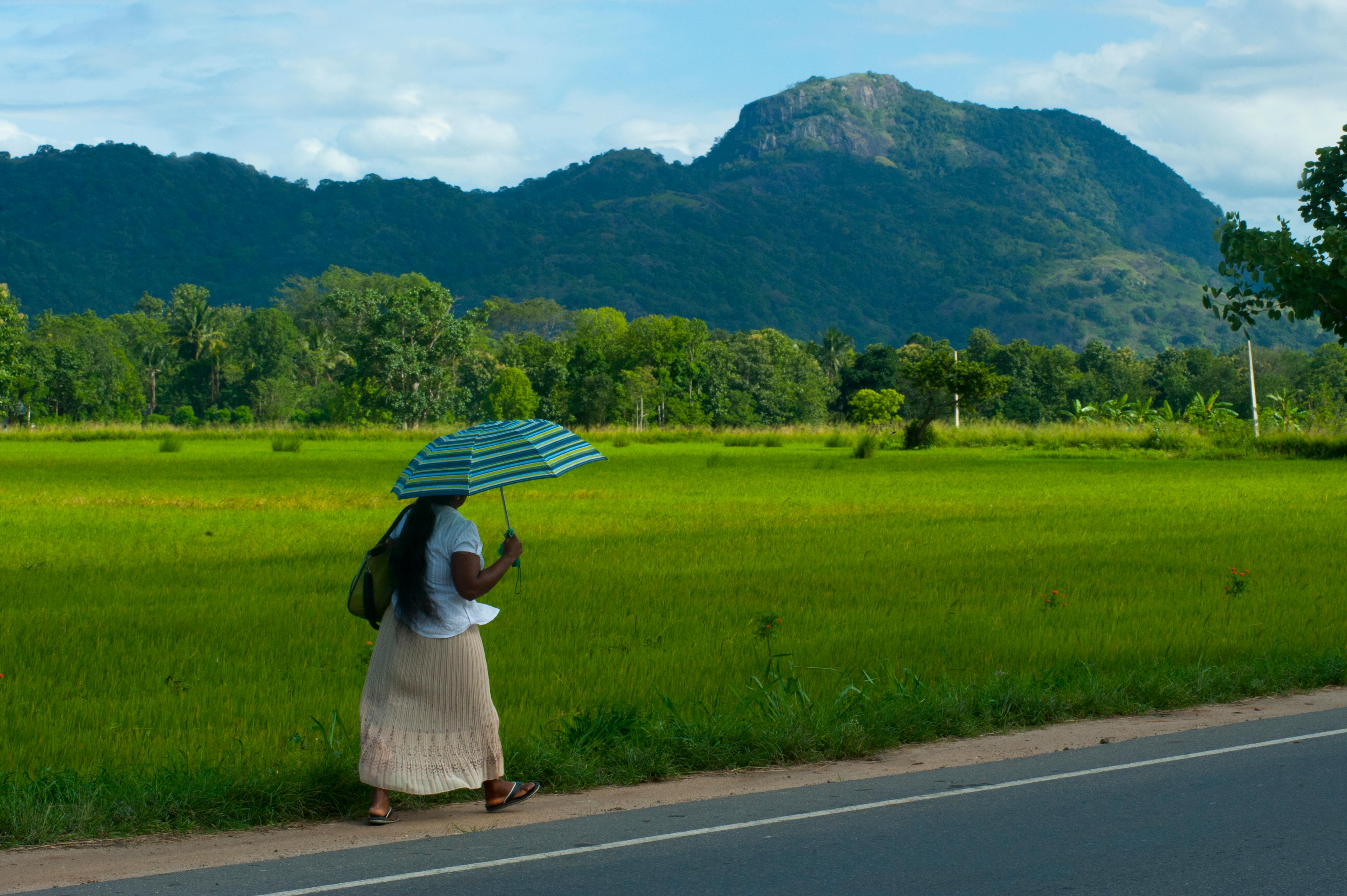
Most UK travellers to Sri Lanka are not doing one single style of trip. You might spend time around Colombo, stay on the south or west coast, travel inland to Kandy or the hill country, visit national parks, or combine hotels with homestays and long road journeys. Some people are visiting friends and relatives, which often means eating in family homes, staying longer and moving beyond the more predictable tourist trail. That mix matters for travel health. A short hotel-based break is usually a different risk profile from a month of rural travel, volunteer work, cycling, or travelling with young children. Rainy seasons, rice-growing areas, animal contact and access to medical care all affect the advice worth discussing before you go.
Day-biting mosquitoes are the Sri Lanka issue people underplay
Sri Lanka has no malaria risk, so antimalarial tablets are not advised for this destination. That can sound reassuring. It is, partly. The mistake is then ignoring mosquitoes altogether. Dengue is reported in Sri Lanka, including urban and semi-urban areas, and the mosquitoes that spread it often bite during the day. Zika risk is also listed, which is particularly important if you are pregnant, travelling with a pregnant partner, or planning pregnancy soon after travel. Japanese encephalitis is a different mosquito-borne risk. It is linked more with rural areas, rice fields, wetlands and farming environments, with risk considered year-round and peaks around monsoon periods. Vaccination is usually a discussion for longer stays, repeated travel, uncertain routes or rural exposure, rather than every short city-and-coast holiday. For vaccines, tetanus should be up to date. Hepatitis A is commonly considered where food and water exposure is likely, especially for longer stays, family visits or simpler accommodation. Typhoid may also be discussed where food hygiene is less predictable. Hepatitis B can matter for longer trips, medical or dental care abroad, sex, contact sports, healthcare work or any possible blood exposure. Rabies is present in Sri Lanka. Dogs are the usual concern, but any mammal bite or scratch needs urgent medical advice. Children, cyclists, runners, animal lovers and travellers spending time away from quick medical access should raise rabies vaccination during the consultation. Yellow fever is not a risk in Sri Lanka, but a certificate may be required if you arrive from, or transit for more than 12 hours through, a yellow fever risk country.
What to do four to six weeks before travel
Book a travel health appointment ideally four to six weeks before you leave. That gives enough time to check routine UK immunisations, discuss vaccines that need more than one dose, and talk through mosquito precautions properly. If you are leaving sooner, still come in. Short-notice advice is often better than travelling with gaps you did not know about. Bring your itinerary, dates, previous vaccine history and any regular medicines. Include overnight stops, rural stays, wildlife or animal contact, cycling, trekking, volunteer work and visits to family homes. For Sri Lanka, preparation also means practical bite avoidance: repellent, covered skin, treated clothing if appropriate, screened or air-conditioned rooms, and extra care around dawn, dusk and daytime biting periods. Food and water caution still matters too. Bottled or treated water, careful hand hygiene and sensible choices with street food reduce the most common trip-spoiling illnesses.
Local advice before Sri Lanka
If you are planning Sri Lanka travel vaccinations in Bristol, Bristol Independent Clinic can review your route and talk through the risks that actually fit your plans. We are based at Whiteladies Pharmacy on Whatley Road, convenient for patients coming from Clifton or Redland. Book an appointment before you travel, and bring any vaccine records you already have.
Frequently asked
Do I need vaccines for this trip?
Most travellers should be up to date with routine UK vaccines. The exact additional vaccines depend on your itinerary and health history — bring details of where you'll go so we can give tailored guidance.
How far in advance should I book my appointment?
Aim for 4–6 weeks before travel to allow time for multi-dose vaccines and any course of antimalarials. If you're leaving sooner, still contact us — we can usually provide useful advice and single-dose vaccines at short notice.
Will I need antimalarial tablets?
It depends on where you're going. Tell us your exact itinerary and we'll assess whether you need an antimalarial and which drug suits you.
I'm pregnant — is travel safe?
Pregnancy changes which vaccines and medicines are safe. Contact us early so we can review your plans and give personalised, up-to-date advice.
How do I book?
Book online at /booking or call 01772491185. During booking we'll ask about your destination and travel dates so we can advise the right vaccine and timing.