Destination
Pakistan Travel Vaccinations and Health Advice
Planning Pakistan? Check polio certificate rules, XDR typhoid, malaria areas and key vaccinations with a Bristol travel clinic before you go.
4.9 Stars On Google
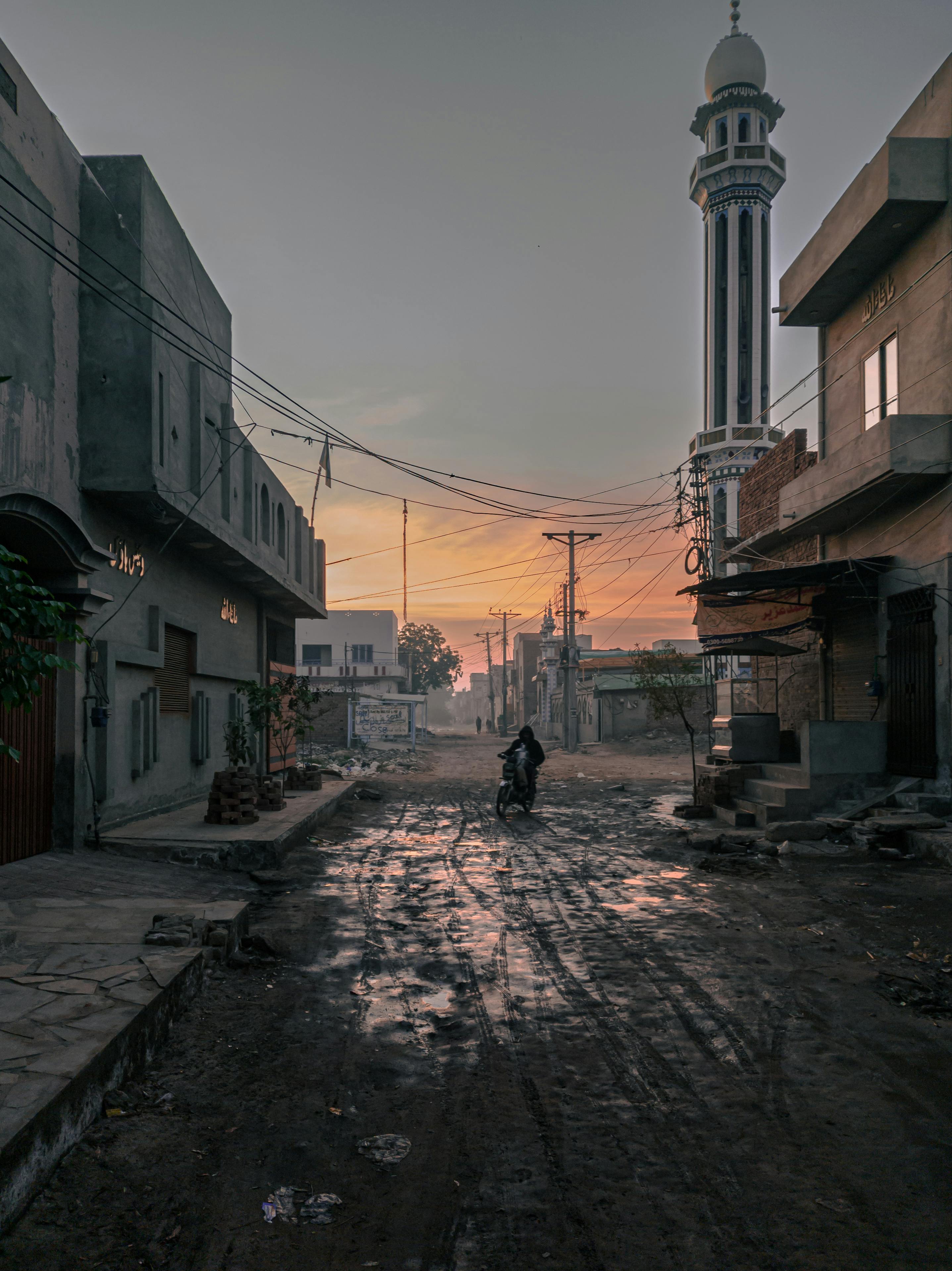
Polio paperwork and typhoid deserve early attention
Polio rules and extensively drug-resistant typhoid make Pakistan a destination where the details matter. Most UK travellers are not facing a long list of unusual vaccines, but you do need a sensible plan for food and water risk, mosquito bites, animal contact, and any stay of four weeks or longer. Bristol Independent Clinic in Bristol can review your route, dates and vaccine history before you travel, so you know what is relevant for your itinerary.
Family visits, city stays and northern routes carry different health issues
Many UK travellers to Pakistan are visiting family, attending weddings, travelling for work, or combining city time with journeys between provinces. Karachi, Lahore, Islamabad and Rawalpindi raise different practical issues from rural stays, long visits with relatives, or travel into mountainous northern areas such as Gilgit-Baltistan and Khyber Pakhtunkhwa. Length of stay matters. So does accommodation, access to medical care, whether children are travelling, and whether you will be eating mainly in family homes, roadside stops or hotels. Trekking and high-altitude travel add another layer. A short business trip to Islamabad is not the same health assessment as six weeks across Punjab and Sindh with young children.
XDR typhoid and polio rules make Pakistan different
Hepatitis A is commonly recommended for previously unvaccinated travellers because it spreads through contaminated food and water. Typhoid is a particularly important conversation for Pakistan. Since 2016, extensively drug-resistant typhoid has been reported there, and cases have been seen in travellers returning to the UK. Vaccination cannot remove the need for careful eating and drinking habits, but it is a key part of reducing risk. Tetanus should be up to date, especially if you may be away from good medical facilities. Your routine UK vaccines also need checking, including MMR, because measles risk is higher than in the UK. Polio needs specific attention. Pakistan is affected by wild poliovirus type 1, and travellers staying for four weeks or more may need proof of polio vaccination on an International Certificate of Vaccination or Prophylaxis, with the dose given in the correct time window before leaving Pakistan. Malaria risk is generally low below 2,000 metres and very low above that height, but bite avoidance still matters. Tablets may be discussed for higher-risk travellers, such as pregnant travellers, young children, older travellers, immunosuppressed people, long-stay visitors, or those visiting friends and relatives in lower-altitude areas. Dengue, Zika and chikungunya can occur, and these mosquitoes often bite during the day. Japanese encephalitis may be relevant for longer or rural stays, particularly around rice-growing or wetland areas, with Sindh noted as a province where cases are reported. Rabies is present, mainly through bites or scratches from infected animals, and pre-travel vaccination is worth discussing for children, cyclists, runners, long stays and remote travel. Hepatitis B, cholera and TB-related advice may also be relevant for some travellers.
What to do before you fly
Aim to book a travel health appointment four to six weeks before departure. That gives time to check routine vaccines, plan any courses, and discuss whether certificates are needed. If you are travelling sooner, still come in. Late advice is often useful, especially for bite avoidance, food and water precautions, and what to do after an animal bite. Bring your vaccine record if you have one, plus your rough route, travel dates and any medical conditions or regular medicines. For Pakistan, the consultation usually needs to cover typhoid and hepatitis A, polio status, tetanus, MMR, malaria risk by altitude and province, and whether rabies, hepatitis B or Japanese encephalitis fit your plans. Pack repellent, cover arms and legs when mosquitoes are active, use screened or air-conditioned accommodation where possible, and be strict with hand hygiene. Check FCDO advice and buy travel insurance that fits your activities.
Local advice before Pakistan travel
If Pakistan is on your calendar, book a pharmacist-led travel consultation before the final rush of packing and paperwork. The clinic runs from Whiteladies Pharmacy on Whatley Road, convenient for people in Clifton or Redland, with weekday and Saturday opening. Bring your itinerary and vaccine history, and we will talk through the practical risks for the trip you are actually taking.
Frequently asked
Do I need vaccines for this trip?
Most travellers should be up to date with routine UK vaccines. The exact additional vaccines depend on your itinerary and health history — bring details of where you'll go so we can give tailored guidance.
How far in advance should I book my appointment?
Aim for 4–6 weeks before travel to allow time for multi-dose vaccines and any course of antimalarials. If you're leaving sooner, still contact us — we can usually provide useful advice and single-dose vaccines at short notice.
Will I need antimalarial tablets?
It depends on where you're going. Tell us your exact itinerary and we'll assess whether you need an antimalarial and which drug suits you.
I'm pregnant — is travel safe?
Pregnancy changes which vaccines and medicines are safe. Contact us early so we can review your plans and give personalised, up-to-date advice.
How do I book?
Book online at /booking or call 01772491185. During booking we'll ask about your destination and travel dates so we can advise the right vaccine and timing.