Destination
Kenya Travel Vaccinations and Health Advice
Kenya often means malaria planning, yellow fever nuance and food/water vaccines. Book practical travel health advice at our Bristol clinic before you go.
4.9 Stars On Google
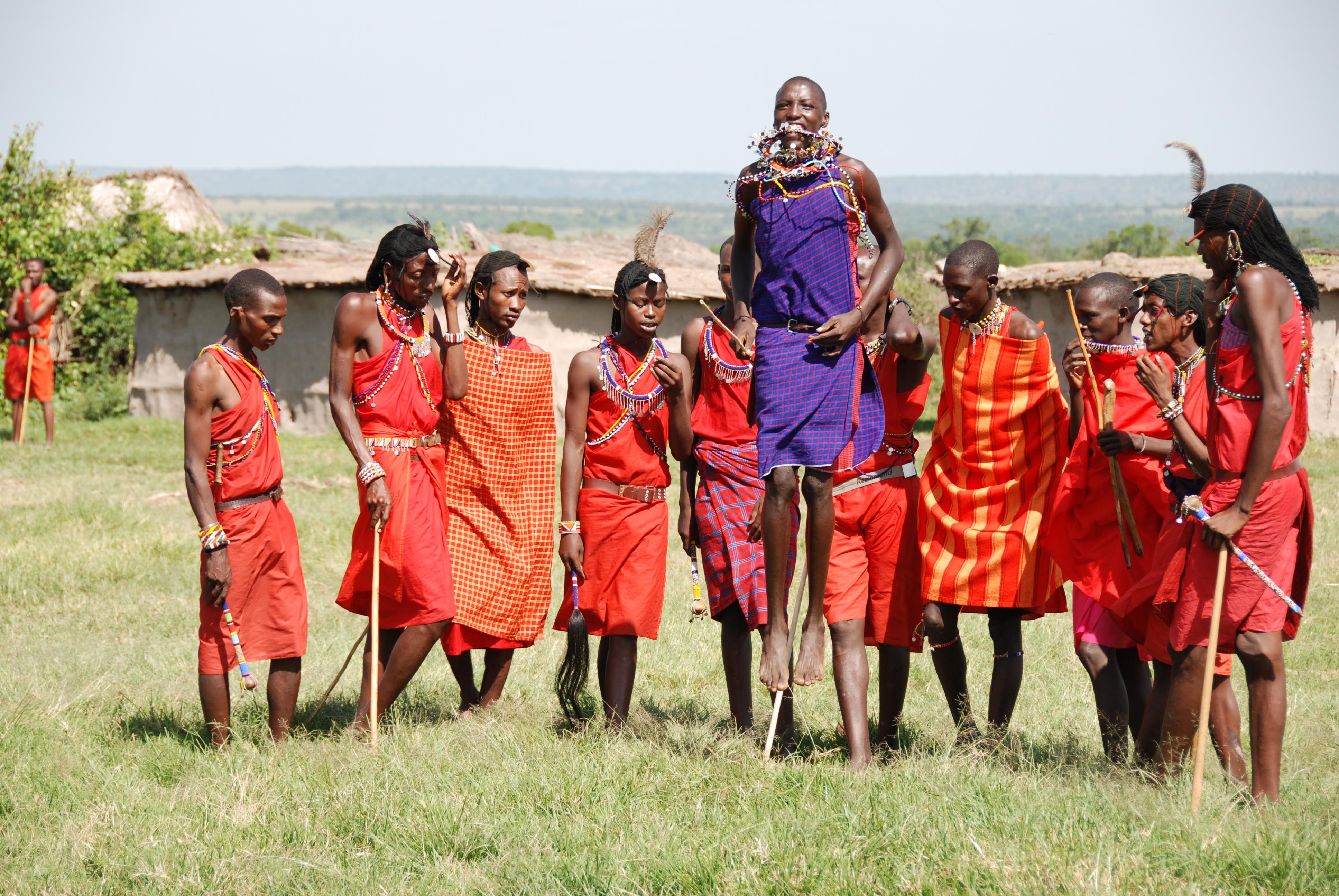
Malaria planning comes first for many Kenya trips
Malaria is often the first real travel-health issue to settle for Kenya, especially if your route includes safari areas, the coast or lower-altitude regions. Yellow fever advice also needs checking against your actual itinerary, not just your arrival airport. At Bristol Independent Clinic in Bristol, we can talk through Kenya travel vaccinations, malaria prevention and the practical precautions that matter before you fly.
Safaris, city stops, coast breaks and family visits carry different risks
People travel to Kenya for very different reasons. Some stay mostly in Nairobi for work, conferences or family events. Others spend time in game reserves such as the Maasai Mara or Tsavo, travel to Lake Nakuru, head to the coast around Mombasa, or combine several regions in one trip. A smaller group go trekking or climbing, including routes on Mount Kenya where altitude becomes a separate issue. That mix matters clinically. A short city stay in Nairobi is not the same as two weeks moving between lodges, rural roads and coastal accommodation. Visiting friends and relatives can also change the risk picture, because you may eat in local homes, stay longer, use local transport and spend more time away from tourist facilities.
Kenya’s risk picture is shaped by malaria zones and yellow fever geography
Malaria risk is high in many parts of Kenya, and antimalarial tablets are recommended for travel to risk areas. Nairobi and the highlands above 2,500 metres are treated differently, with very low malaria risk, but bite avoidance still matters. Mosquitoes also spread illnesses that tablets do not prevent, including dengue and Zika; daytime bites are part of the problem, not just evening mosquitoes. Hepatitis A is commonly recommended for previously unvaccinated travellers because it spreads through contaminated food and water. Typhoid vaccination is also usually worth discussing for Kenya, especially if you are travelling outside tightly managed hotel settings, visiting family, staying longer or eating where hygiene standards vary. Tetanus should be up to date, and MMR should be checked because measles risk is higher than in the UK. Yellow fever needs a proper itinerary check. Vaccination is recommended for several parts of Kenya, including some well-known safari areas, but it is generally not recommended for travel only to Nairobi, Mombasa and certain low-exposure coastal areas. You may also need a yellow fever certificate if you arrive from a country with yellow fever risk. Rabies is present in Kenya, including in domestic animals. Pre-travel vaccination is worth considering for children, runners, cyclists, longer stays and routes where urgent treatment might be harder to reach. Avoid freshwater swimming or wading because schistosomiasis is a risk.
What to cover before you travel
Book your travel consultation four to six weeks before departure if you can. That gives enough time to review your vaccine history, start any courses that need more than one appointment and choose malaria prevention that fits your route and medical history. A late appointment is still useful; do not assume you have missed the window. Bring your itinerary, including safari reserves, coastal stays, border crossings, family visits and any trekking plans. If you are climbing or sleeping above 2,500 metres, ask about altitude illness as well as infections. Pack bite prevention properly: a suitable insect repellent, long sleeves for dusk and dawn, and accommodation precautions such as screens or nets where needed. Food and water hygiene still does a lot of work in Kenya, even when you have been vaccinated.
A local appointment before Kenya
If you are planning Kenya from Bristol, including Clifton or Redland, Bristol Independent Clinic can review your itinerary and advise on travel vaccinations, malaria tablets and yellow fever certificate requirements. Book a travel health appointment before you go, and bring any vaccine records you already have. It makes the consultation quicker and the advice more accurate.
Frequently asked
Do I need vaccines for this trip?
Most travellers should be up to date with routine UK vaccines. The exact additional vaccines depend on your itinerary and health history — bring details of where you'll go so we can give tailored guidance.
How far in advance should I book my appointment?
Aim for 4–6 weeks before travel to allow time for multi-dose vaccines and any course of antimalarials. If you're leaving sooner, still contact us — we can usually provide useful advice and single-dose vaccines at short notice.
Will I need antimalarial tablets?
It depends on where you're going. Tell us your exact itinerary and we'll assess whether you need an antimalarial and which drug suits you.
I'm pregnant — is travel safe?
Pregnancy changes which vaccines and medicines are safe. Contact us early so we can review your plans and give personalised, up-to-date advice.
How do I book?
Book online at /booking or call 01772491185. During booking we'll ask about your destination and travel dates so we can advise the right vaccine and timing.