Destination
Ghana travel vaccinations and health advice
Ghana means yellow fever paperwork, malaria tablets and careful food and water choices. Get pharmacist-led travel health advice in Bristol before you fly.
4.9 Stars On Google
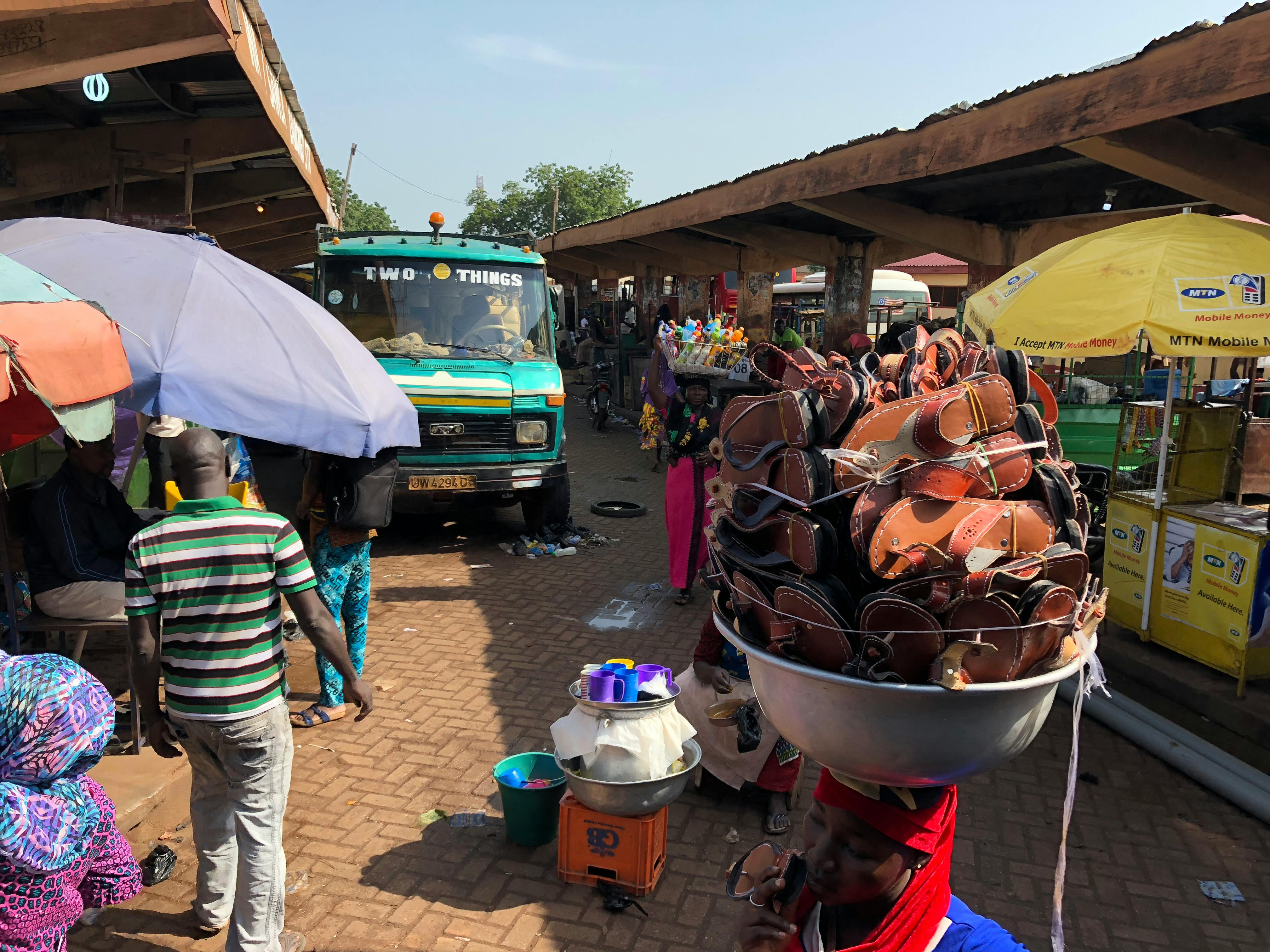
Ghana needs proper preparation
For Ghana, the two big travel-health issues are hard to ignore: yellow fever certification and malaria prevention. Food and water risks also matter, especially if you are visiting family, working outside the main cities or travelling for several weeks. At Bristol Independent Clinic, we see Bristol travellers who want a clear answer before they fly: which vaccines matter, which tablets may be needed, and what practical precautions are worth taking.
Family visits, city stays and longer work trips all change exposure
Many UK travellers go to Ghana for family visits, work, volunteering, study, faith events, weddings or a first trip to West Africa. Accra and Kumasi trips can still carry mosquito and food-borne risks, even if the itinerary feels mainly urban. Longer stays, rural travel, visits to relatives and journeys into northern regions usually need a more detailed conversation because you may eat in more varied settings, spend more evenings outdoors, and be further from private medical care. Children, pregnant travellers and people with long-term conditions need extra planning. Ghana is not a destination where travel health can be reduced to one jab at the last minute. Your route, accommodation, season and activities all shape the advice.
Yellow fever paperwork and malaria tablets are the headline issues
Ghana has yellow fever risk across the country, and a yellow fever vaccination certificate is required for travellers over 9 months of age. The vaccine is not suitable for everyone, so any previous vaccine reactions, immune system problems, pregnancy, age-related risk and medical history need checking before vaccination. Malaria is a high-risk issue in Ghana. Tablets are usually recommended, and the best option depends on your health, age, pregnancy status, other medicines and how long you are away. Mosquito bite avoidance still matters because tablets do not prevent every mosquito-borne infection. Use repellent, cover skin in the evening and sleep in screened or air-conditioned rooms where possible. Day-biting mosquitoes can spread infections such as dengue, chikungunya and Zika, so protection is not only an after-dark concern. Zika is especially relevant for pregnancy planning. Hepatitis A, tetanus and typhoid are commonly considered for Ghana because food, water, wounds and sanitation risks are realistic. Hepatitis B, cholera, meningococcal ACWY, rabies, measles protection and TB-related advice may also come up, particularly for longer stays, healthcare work, close contact with local communities, children, or visits to friends and relatives. Avoid swimming or wading in untreated freshwater, as schistosomiasis is present.
Book early enough to make the plan useful
Aim for a travel consultation four to six weeks before you leave. That gives time to check your UK routine vaccines, discuss yellow fever suitability, complete any vaccine courses that need spacing, and choose malaria tablets without rushing. If you are leaving sooner, still come in; late advice is usually better than none. Bring your itinerary, dates, accommodation plans, previous vaccine records and a list of medicines. For Ghana, we would usually ask where you are staying, whether you are visiting family, how rural the trip gets, and whether children or pregnant travellers are going. Pack effective insect repellent, light long sleeves for evenings, oral rehydration sachets, sunscreen, a basic first aid kit and travel insurance details. Be strict with food and water choices, especially outside hotels and established restaurants.
Local advice before you fly
If you live in Clifton or Redland, Bristol Independent Clinic is easy to reach at Whiteladies Pharmacy on Whatley Road. Bring the trip details and we will talk through the vaccines, certificate rules, malaria prevention and practical risks that apply to Ghana. Book a travel health appointment before departure so you leave with a clear, workable plan.
Frequently asked
Do I need vaccines for this trip?
Most travellers should be up to date with routine UK vaccines. The exact additional vaccines depend on your itinerary and health history — bring details of where you'll go so we can give tailored guidance.
How far in advance should I book my appointment?
Aim for 4–6 weeks before travel to allow time for multi-dose vaccines and any course of antimalarials. If you're leaving sooner, still contact us — we can usually provide useful advice and single-dose vaccines at short notice.
Will I need antimalarial tablets?
It depends on where you're going. Tell us your exact itinerary and we'll assess whether you need an antimalarial and which drug suits you.
I'm pregnant — is travel safe?
Pregnancy changes which vaccines and medicines are safe. Contact us early so we can review your plans and give personalised, up-to-date advice.
How do I book?
Book online at /booking or call 01772491185. During booking we'll ask about your destination and travel dates so we can advise the right vaccine and timing.