Destination
Dominican Republic Travel Health Advice
Mosquito-borne risks, including dengue, Zika and low-level malaria, matter for the Dominican Republic. Book practical travel vaccine advice in Bristol.
4.9 Stars On Google
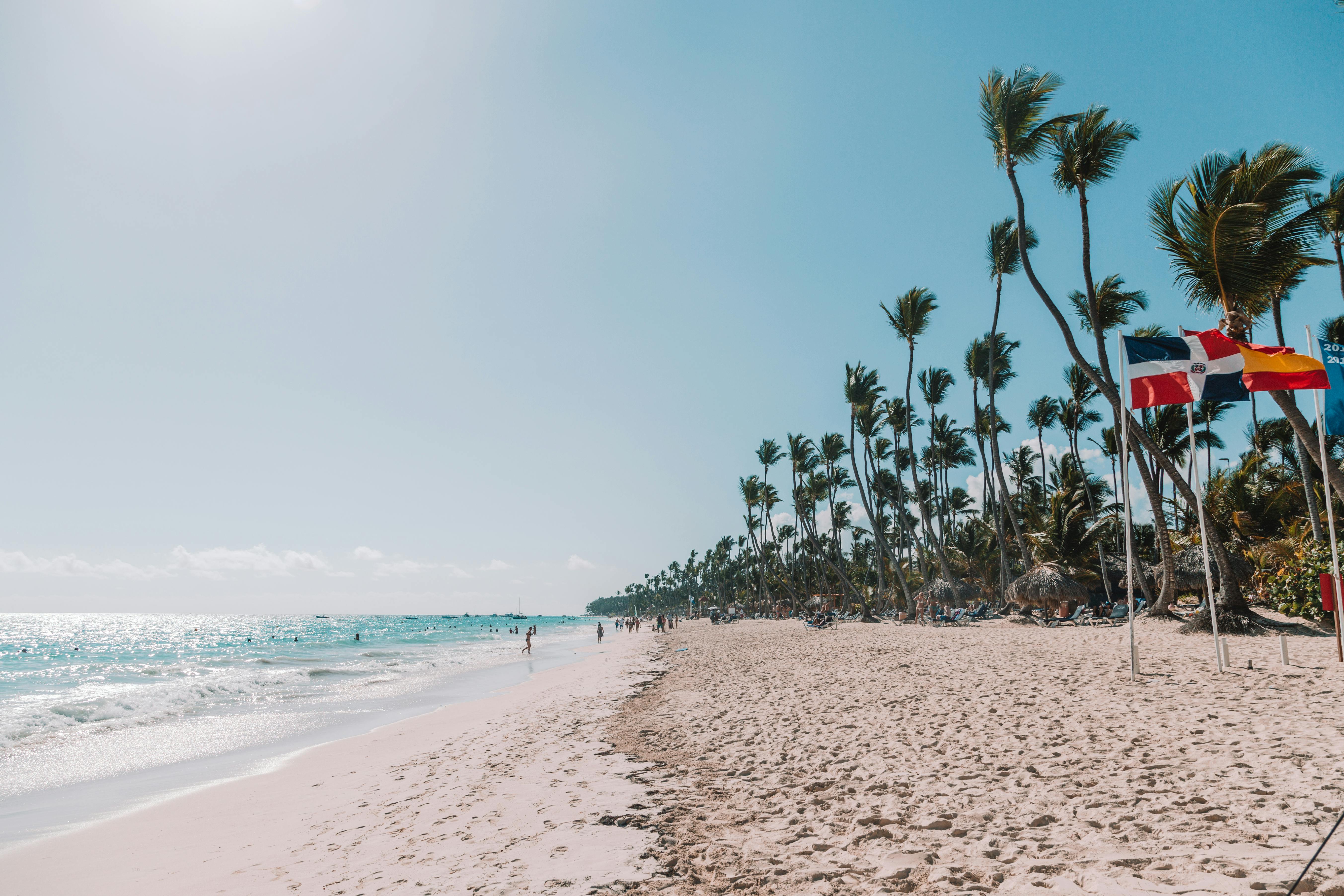
Mosquitoes shape the health planning here
For the Dominican Republic, the travel health conversation is often less about rare tropical diseases and more about mosquitoes, food and water hygiene, and the exact areas you plan to visit. Dengue, Zika and other insect-borne infections are relevant, and malaria risk is generally low but not absent. Bristol Independent Clinic in Bristol can talk through your route, your vaccine history and any extra precautions before you travel.
Resort stay, family visit or inland travel
Most UK travellers go to the Dominican Republic for beach resorts, weddings, cruises, diving, work trips or visiting friends and relatives. A week in a managed resort near Punta Cana is a different health set-up from several weeks staying locally, eating widely, travelling inland or spending time in rural provinces. Santo Domingo and Santiago are useful reference points because malaria is not considered a risk in those cities, while other parts of the country carry low-level risk. Children, pregnant travellers, older adults and anyone with immune suppression need a more careful discussion. So do travellers heading away from the main resort areas, especially if access to medical care could be slower.
Low malaria risk does not make this a mosquito-free trip
Malaria risk in the Dominican Republic is classed as low overall, with no malaria risk in Santo Domingo or Santiago. Bite avoidance is still recommended. TravelHealthPro has also reported malaria activity in Azua and San Juan provinces, so your exact route matters, especially if you are travelling inland, staying longer or visiting family. Malaria tablets may be discussed for higher-risk travellers in specific circumstances rather than assumed for everyone. Day-biting mosquitoes are a bigger everyday issue for many visitors. Dengue is a recognised risk, and Zika is also reported in the country. Pregnant travellers, or couples planning pregnancy soon after travel, should ask for specific advice before booking or travelling. TravelHealthPro also lists Oropouche virus disease as an outbreak issue, which reinforces the need for insect bite precautions beyond malaria. Hepatitis A is commonly recommended for previously unvaccinated travellers because it spreads through contaminated food and water. Typhoid vaccination is often considered, particularly for longer trips, local stays, frequent travel or eating in places where hygiene is uncertain. Tetanus should be up to date. Rabies is present in domestic animals, and bats may carry related viruses. Pre-travel rabies vaccination is worth discussing for children, runners, cyclists, longer stays, animal contact or travel where prompt treatment may be difficult to reach. Cholera and BCG are not routine for most short-stay travellers, but they may come up for higher-risk work, medical history or long-stay plans. A yellow fever certificate is not needed for direct travel from the UK, but it can be required if arriving from, or transiting for more than 12 hours through, specified Brazilian states.
Four to six weeks gives more room
Aim to book your travel consultation four to six weeks before departure. That timing gives space to review your UK routine vaccines, discuss hepatitis A, typhoid and tetanus, and plan any multi-dose courses if they are relevant. If you are travelling sooner, still book; short-notice advice is usually better than leaving with unanswered questions. Bring your itinerary, including resort names, provinces, cruise stops and any time with friends or relatives. Mention pregnancy, planned pregnancy, immune suppression, previous dengue infection, allergies and regular medicines. For the Dominican Republic, mosquito bite prevention deserves real attention: use repellent, cover skin when practical, choose screened or air-conditioned rooms, and be especially careful around dawn, dusk and daytime mosquito activity. Food and water basics still count: safer water, hot cooked food and sensible choices with ice, salads and street food.
Book a local pre-travel appointment
If you are travelling to the Dominican Republic, a short travel health appointment can clarify what is sensible for your route rather than giving you a generic Caribbean answer. You can book with Bristol Independent Clinic at Whiteladies Pharmacy, close to Clifton and Redland, or call 0117 974 1348 during opening hours. Bring any vaccine records you have; we can work from there.
Frequently asked
Do I need vaccines for this trip?
Most travellers should be up to date with routine UK vaccines. The exact additional vaccines depend on your itinerary and health history — bring details of where you'll go so we can give tailored guidance.
How far in advance should I book my appointment?
Aim for 4–6 weeks before travel to allow time for multi-dose vaccines and any course of antimalarials. If you're leaving sooner, still contact us — we can usually provide useful advice and single-dose vaccines at short notice.
Will I need antimalarial tablets?
It depends on where you're going. Tell us your exact itinerary and we'll assess whether you need an antimalarial and which drug suits you.
I'm pregnant — is travel safe?
Pregnancy changes which vaccines and medicines are safe. Contact us early so we can review your plans and give personalised, up-to-date advice.
How do I book?
Book online at /booking or call 01772491185. During booking we'll ask about your destination and travel dates so we can advise the right vaccine and timing.