Destination
Brazil Travel Vaccinations and Health Advice
Brazil has regional yellow fever advice, daytime mosquito risks and low Amazon malaria risk. Book practical travel health advice in Bristol before you go.
4.9 Stars On Google
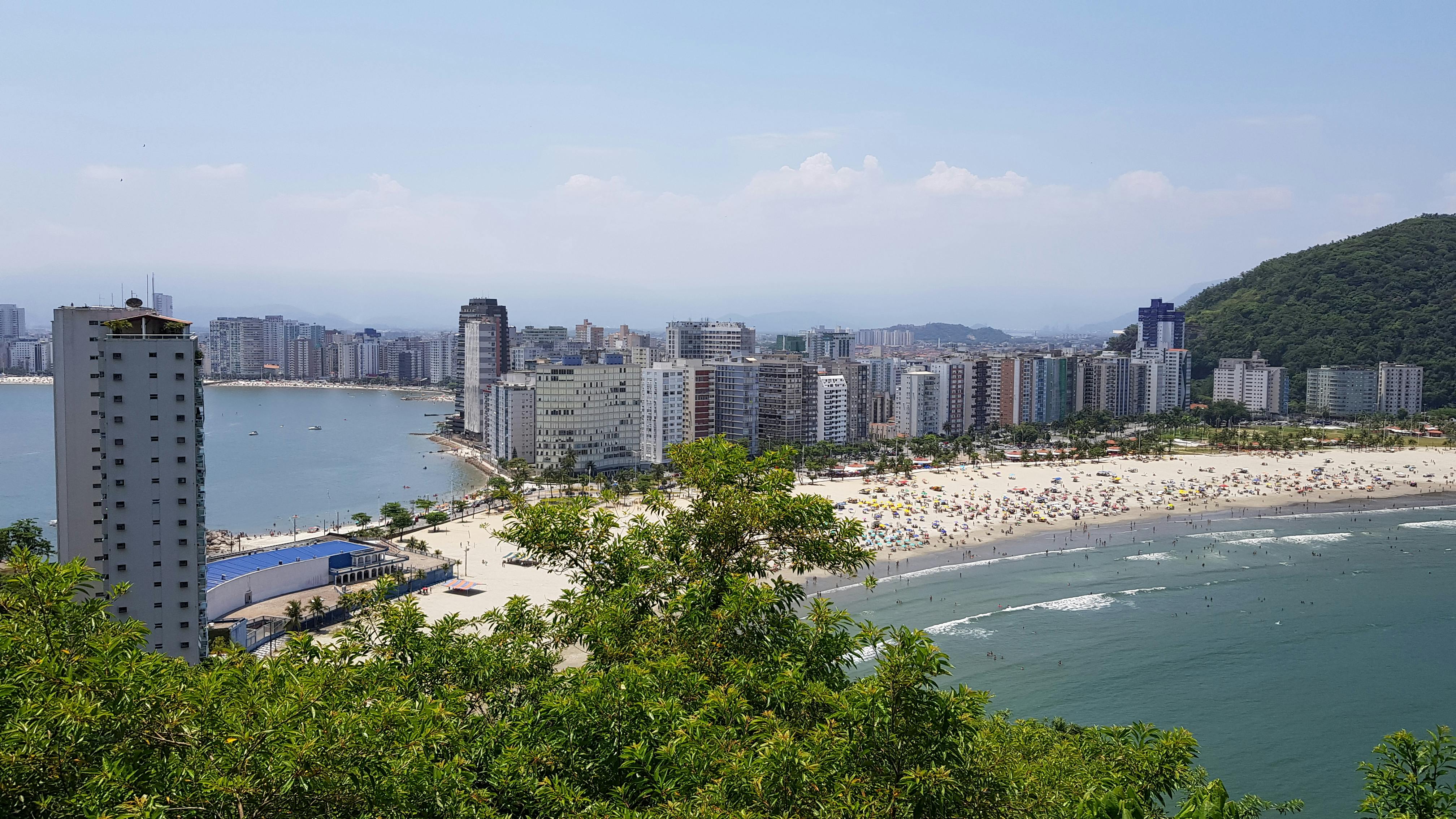
Brazil’s health risks are very regional
For Brazil, the first useful question is not simply which vaccines you need. It is where you are going. Rio, São Paulo, Iguazu Falls, the Amazon basin and longer rural stays all carry different travel health considerations. At Bristol Independent Clinic in Bristol, we look at your actual route, timing and medical background, then talk through the vaccines, mosquito precautions and food and water risks that matter for your trip.
City breaks, family visits and Amazon routes need different planning
UK travellers go to Brazil for several different kinds of trip. Some stay mainly in Rio de Janeiro, São Paulo or coastal areas for a short visit. Others add Iguazu Falls, Brasília, inland national parks or time in the Amazon, including Manaus and river travel. Visiting friends and relatives can mean longer stays, more local food, and time outside the usual hotel-and-flight pattern. That mix matters. A two-week city and beach itinerary is not the same health conversation as three months with family, a research placement, rural volunteering or a trip involving jungle lodges. Brazil is large, and the health picture changes with region, season, accommodation and how far you are from reliable medical care.
Yellow fever and daytime mosquitoes lead the Brazil discussion
Brazil has a genuine yellow fever consideration, but it is not a blanket rule for every itinerary. Vaccination is commonly recommended for many states, including Amazonas, Minas Gerais, Rio de Janeiro, São Paulo, Paraná including Iguazu Falls, and several other inland and southern areas. It is not usually recommended for Fortaleza, Recife and areas outside the listed risk zones. There are no International Health Regulations certificate requirements for Brazil, but the vaccine itself is not suitable for everyone, so it needs a proper risk-benefit discussion. Hepatitis A is recommended for previously unvaccinated travellers because food and water exposure can happen even on organised trips. Typhoid is also commonly considered, especially for longer stays, young children, frequent travel, local eating, or visiting friends and relatives. Tetanus should be up to date, particularly if you may be hiking, cycling, working outdoors or staying away from easy medical access. Mosquitoes deserve attention beyond malaria. Dengue, Zika, chikungunya and Oropouche virus are all relevant in Brazil, and several are spread by mosquitoes or biting insects that can bite in the daytime. Pregnant travellers, or couples planning pregnancy soon after travel, should discuss Zika risk before booking or travelling. Malaria risk is low in the Amazon basin, including Manaus, and very low across most of the rest of Brazil. Iguazu Falls is not considered a malaria risk area. Antimalarial tablets are not routine for every Brazil trip, but may be discussed for some higher-risk travellers or specific Amazon itineraries. Rabies is also present, including risk from dogs and bats, so pre-travel vaccination may be worth discussing for children, longer stays, cycling, running, animal work or remote travel.
Bring your route, not just your destination
Book a travel health appointment four to six weeks before departure if you can. That gives enough time to check routine UK immunisations, start any vaccine courses that need more than one dose, and talk through yellow fever suitability without rushing. Short notice is still worth it. Some protection and advice is better than leaving everything until the airport. For Brazil, bring a rough itinerary: states, cities, rural stops, Amazon plans, dates, planned activities and whether you are pregnant, immunosuppressed or travelling with young children. We will usually cover food and water precautions, insect bite avoidance for day and evening biting insects, what to do after an animal bite, and when fever after travel needs urgent medical assessment. Avoid swimming or wading in untreated freshwater where schistosomiasis may be a risk.
A clear plan before you fly
Brazil travel health advice should feel practical, not alarming. Most trips can be prepared for sensibly once the route is clear. You can book a pharmacist-led travel consultation at Bristol Independent Clinic, based at Whiteladies Pharmacy, and talk through what applies to your journey. It is a convenient option if you live or work near Clifton or Redlands and want local advice before travelling.
Frequently asked
Do I need vaccines for this trip?
Most travellers should be up to date with routine UK vaccines. The exact additional vaccines depend on your itinerary and health history — bring details of where you'll go so we can give tailored guidance.
How far in advance should I book my appointment?
Aim for 4–6 weeks before travel to allow time for multi-dose vaccines and any course of antimalarials. If you're leaving sooner, still contact us — we can usually provide useful advice and single-dose vaccines at short notice.
Will I need antimalarial tablets?
It depends on where you're going. Tell us your exact itinerary and we'll assess whether you need an antimalarial and which drug suits you.
I'm pregnant — is travel safe?
Pregnancy changes which vaccines and medicines are safe. Contact us early so we can review your plans and give personalised, up-to-date advice.
How do I book?
Book online at /booking or call 01772491185. During booking we'll ask about your destination and travel dates so we can advise the right vaccine and timing.